

How Wisdom Teeth Affect Jaw Health & Facial Pain?
Wisdom teeth are often dismissed as a minor dental inconvenience something you remove in your late teens or early twenties and forget about. But for many people, they are the hidden reason behind persistent discomfort, facial tension, jaw stiffness, and even chronic headaches.
If you’ve been searching for answers around wisdom teeth jaw pain, exploring the TMJ wisdom teeth connection, or wondering whether your chronic headaches wisdom tooth issues are related, you’re not alone.
In this comprehensive guide, we’ll break down:
- How wisdom teeth impact jaw alignment?
- The connection between wisdom teeth and TMJ disorders
- Why impacted teeth can cause facial pain and headaches?
- Signs your jaw pain may be linked to wisdom teeth
Treatment options and when removal is necessary
Understanding Wisdom Teeth: What Are They?
Wisdom teeth, also called third molars, are the last set of molars that typically emerge between ages 17–25. While they were once essential for chewing rough diets, modern jaws are often too small to accommodate them comfortably.
Because of this, wisdom teeth frequently:
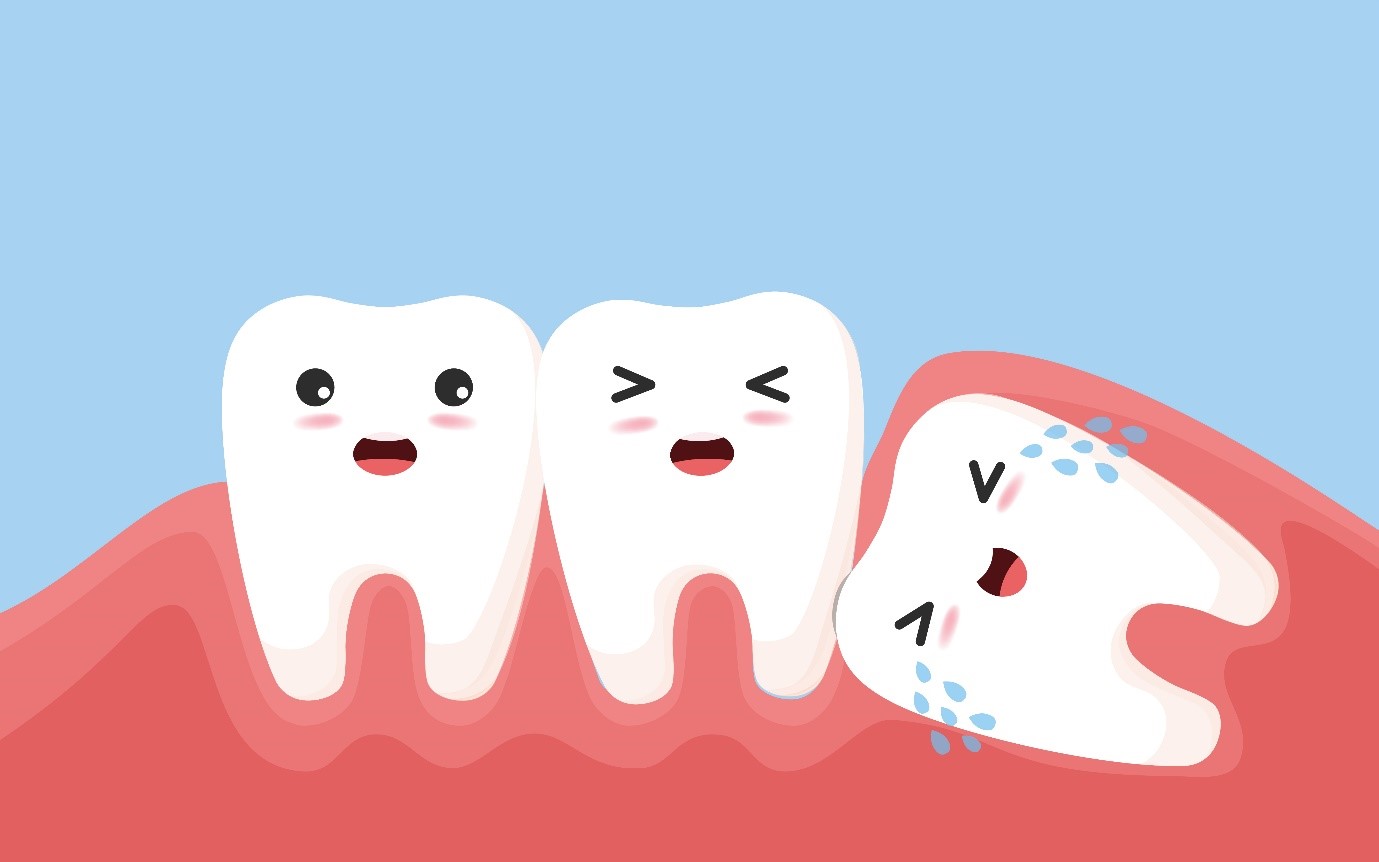
- Grow at an angle
- Become partially erupted
- Remain trapped under the gum (impacted)
- Press against neighboring teeth
This pressure can affect more than just your gums it can impact your entire jaw structure.
How Wisdom Teeth Cause Jaw Pain
One of the most common symptoms patients report is wisdom teeth jaw pain. But why exactly does this happen?
- Impacted Teeth Create Pressure
When wisdom teeth don’t have enough room to erupt properly, they push against surrounding bone and teeth. This creates:
- Jaw soreness
- Pressure near the ear
- Pain while chewing
- Swelling at the back of the mouth
Over time, that constant pressure can radiate into the jaw joint.
- Inflammation Spreads to Surrounding Tissues
Partially erupted wisdom teeth can trap food and bacteria, leading to infection (pericoronitis). Inflammation doesn’t stay localized it can spread into:
- Jaw muscles
- Lymph nodes
- Facial tissues
This can make your entire lower face feel tender or tight.
- Muscle Strain from Bite Changes
When wisdom teeth alter your bite alignment, your jaw muscles must compensate. This overuse can lead to muscle fatigue and tension a major contributor to facial pain.
The TMJ Wisdom Teeth Connection Explained
The temporomandibular joint (TMJ) connects your jawbone to your skull. It allows you to talk, chew, and yawn. When something disrupts alignment or increases strain, TMJ dysfunction can occur.
How Wisdom Teeth Affect the TMJ
The TMJ wisdom teeth connection often develops due to:
- Misalignment caused by erupting molars
- Crowding that shifts your bite
- Uneven pressure during chewing
- Chronic muscle compensation
When your bite shifts even slightly, the TMJ may:
- Click or pop
- Feel locked
- Become stiff
- Cause pain near the ears
In some cases, removing problematic wisdom teeth reduces TMJ-related discomfort. However, not all TMJ issues are caused by wisdom teeth proper evaluation is essential.
Can Wisdom Teeth Cause Chronic Headaches?
Yes, and this is often overlooked.
Many patients experiencing chronic headaches wisdom tooth issues don’t immediately connect dental problems with head pain. But the jaw and skull are closely interconnected.
Here’s How It Happens:
- Referred Pain
Nerves in the jaw connect to the trigeminal nerve, which also supplies sensation to the face and head. When wisdom teeth create pressure or inflammation, pain signals can radiate upward.
This may feel like:
- Tension headaches
- Pain behind the eyes
- Temple pressure
- Migraines triggered by jaw movement
- Muscle Tension
Jaw misalignment forces facial and neck muscles to overwork. Chronic muscle tension in:
- Masseter muscles
- Temporalis muscles
- Neck muscles
… can lead to persistent headaches.
- Night Grinding (Bruxism)
If wisdom teeth affect your bite, you may unconsciously grind your teeth at night. Bruxism significantly increases:
- Jaw tension
- TMJ strain
- Morning headaches
Signs Your Jaw Pain Is Caused by Wisdom Teeth
Not all jaw pain stems from wisdom teeth. However, you should consider evaluation if you experience:
- Pain at the back of the jaw
- Swollen or tender gums behind molars
- Difficulty opening your mouth fully
- Clicking or popping in the jaw
- Headaches that worsen when chewing
- Ear pain without ear infection
- Bad taste or odor from partially erupted tooth
Early intervention prevents long-term complications.
Long-Term Effects of Ignoring Wisdom Teeth Jaw Pain
Leaving problematic wisdom teeth untreated can lead to:
- Chronic TMJ Dysfunction
Persistent strain may cause long-term joint damage, including:
- Disc displacement
- Limited jaw movement
- Degenerative joint changes
- Facial Asymmetry
Ongoing muscle compensation can subtly change facial muscle balance over time.
- Recurrent Infections
Partially erupted wisdom teeth create bacterial pockets that repeatedly flare up.
- Cysts and Bone Damage
Impacted wisdom teeth may develop cysts that damage surrounding bone and nerves.
Diagnosis: How Dentists Identify the Problem
If you’re experiencing wisdom teeth jaw pain, your dentist may:
- Conduct a clinical examination
- Check bite alignment
- Order panoramic X-rays
- Assess TMJ function
- Evaluate muscle tenderness
Imaging is especially important to determine:
- Angle of impaction
- Proximity to nerves
- Risk of infection
Treatment Options for Wisdom Teeth-Related Jaw Pain
- Monitoring (For Mild Cases)
If wisdom teeth are not severely impacted, dentists may monitor:
- Eruption pattern
- Gum health
- Bite alignment
- Anti-Inflammatory Management
Short-term relief may include:
- NSAIDs
- Warm compresses
- Jaw exercises
- Soft diet
However, this does not fix structural issues.
- Wisdom Teeth Removal
Surgical extraction is often recommended when:
- Persistent jaw pain exists
- TMJ symptoms worsen
- Infection recurs
- Headaches are linked to bite changes
Removal typically reduces pressure and allows the jaw to return to normal alignment.
What Happens After Removal?
Many patients report:
- Reduced jaw pressure
- Fewer headaches
- Improved chewing comfort
- Less ear pain
- Better sleep
However, TMJ conditions that have developed over years may require additional therapy such as:
- Bite guards
- Physical therapy
- TMJ-specific exercises
Recovery & Jaw Health After Extraction
Proper aftercare helps restore balance:
- Avoid strenuous chewing initially
- Follow soft diet recommendations
- Perform gentle jaw mobility exercises
- Maintain oral hygiene carefully
- Attend follow-up visits
Most swelling resolves within 1–2 weeks.
Preventing Wisdom Teeth Jaw Complications
Early assessment (around ages 16–18) can prevent severe complications. Dentists can determine:
- Whether extraction is necessary
- Timing for removal
- Risk of TMJ involvement
Proactive removal before symptoms appear may prevent chronic issues later.
When to See a Dentist Immediately
Seek prompt evaluation if you experience:
- Severe jaw swelling
- Fever with tooth pain
- Difficulty swallowing
- Persistent headaches unresponsive to medication
- Locked jaw
These symptoms may indicate infection or significant TMJ involvement.
Frequently Asked Questions
Not always. If caught early, removing problematic teeth may reduce TMJ strain. However, long-standing TMJ disorders may require additional treatment.
Muscle clenching and bruxism often increase during sleep, intensifying pressure from impacted wisdom teeth.
Yes. The jaw joint sits close to the ear canal, so inflammation may radiate and mimic ear infections.
No. If they erupt properly and don’t cause alignment issues, removal may not be necessary.
Pain may persist until the source impaction or misalignment is addressed.
The Bigger Picture: Why This Topic Matters
Search behavior shows growing interest in:
- wisdom teeth jaw pain
- TMJ wisdom teeth connection
- chronic headaches wisdom tooth
This reflects a broader patient trend: people are connecting facial pain and headaches to dental origins.
By addressing these related symptoms together, patients gain clarity and clinicians capture broader search intent improving both patient education and SEO visibility.
Final Thoughts
Jaw pain and chronic headaches aren’t always neurological or stress-related. Sometimes, the root cause lies literally at the back of your mouth.
If you’re experiencing persistent discomfort, exploring the relationship between wisdom teeth and jaw health could provide long-awaited answers.
Early diagnosis, proper imaging, and timely treatment can prevent:
- Chronic TMJ dysfunction
- Recurring infections
- Long-term facial muscle strain
Your jaw plays a critical role in daily life from speaking and eating to expressing emotions. Don’t ignore persistent symptoms.
If you suspect a connection between your wisdom teeth and facial pain, consult a qualified dental professional for evaluation and personalized care.

Author
Dr Latha Manivachagam
Principal Dentist at iDentistry Hallam