

Dental Fillings: Types, Comparison, and How to Choose the Right Dentist?

Dental fillings restore teeth damaged by cavities or minor trauma, preventing further decay and maintaining oral health. Choosing the right type and dentist ensures long-term results tailored to your needs. This guide explores options available at practices like iDentistry Hallam.
Types of Dental Fillings
Amalgam fillings, often silver-colored, consist of a metal alloy including mercury, silver, tin, and copper. These fillings excel in durability, lasting 10-15 years or more under high chewing pressure, making them suitable for molars and back teeth. However, their visible metal appearance limits use in front teeth, and some patients report sensitivity to temperature changes.
Composite resin fillings blend plastic and glass particles to match natural tooth color. Applied in layers and hardened with a curing light, they bond directly to the tooth, preserving more structure during preparation. Ideal for visible areas, composites last 5-10 years but may stain from coffee or wine over time.
Glass ionomer fillings mix resin with glass powder, releasing fluoride to prevent secondary decay. Best for root surfaces, children’s teeth, or small cavities in low-stress areas, they offer moderate strength but wear faster than composites, typically 5-7 years. Their translucency aids aesthetics in less prominent spots.
Ceramic or porcelain fillings, often crafted as inlays or onlays, provide stain resistance and natural appearance. Processed in a lab or via same-day CEREC technology, they match tooth shade precisely and withstand wear for 10-15 years. These suit patients seeking durability without metal.
Gold fillings, cast in a lab as indirect restorations, offer unmatched longevity up to 20 years or more. Highly biocompatible and corrosion-resistant, they handle heavy bite forces well but cost more due to lab fabrication. Rarely chosen today for aesthetic reasons.
Comparison of Filling Types
Filling Type | Durability (Years) | Aesthetics | Cost Level | Best For | Drawbacks |
Amalgam | 10-15+ | Poor | Low | Back teeth, high bite | Visible metal, expansion risk |
Composite | 5-10 | Excellent | Medium | Front/visible teeth | Stains, less durable |
Glass Ionomer | 5-7 | Good | Low | Roots, children | Brittle in stress areas |
Ceramic/Porcelain | 10-15 | Excellent | High | Any tooth, stain-prone | Brittle if thick |
Gold | 15-20+ | Poor | Very High | Molars, bruxism | Expensive, visible |
Amalgam remains cheapest and strongest for molars, while composites lead in cosmetics for front teeth. Ceramic balances both but raises costs; glass ionomer suits fluoride benefits in kids.
Factors in Choosing Fillings
Location dictates priority: back teeth favor amalgam or gold for strength, front opt for composites or ceramic for smiles. Bite force matters bruxism patients need durable options like gold or ceramic to avoid fracture.
Allergies or sensitivities guide avoidance of mercury in amalgam, though rare. Budget plays a role; gap-free check-ups at clinics like iDentistry Hallam reduce out-of-pocket costs for eligible funds.
Oral habits influence longevity avoid hard foods with composites. Dentist expertise ensures proper bonding, minimizing replacements.
The Filling Procedure Explained
Dentists numb the area with local anesthetic for comfort. Decay removal follows using a drill or laser, creating space for the filling. For composites, etching acid prepares the surface for adhesion.
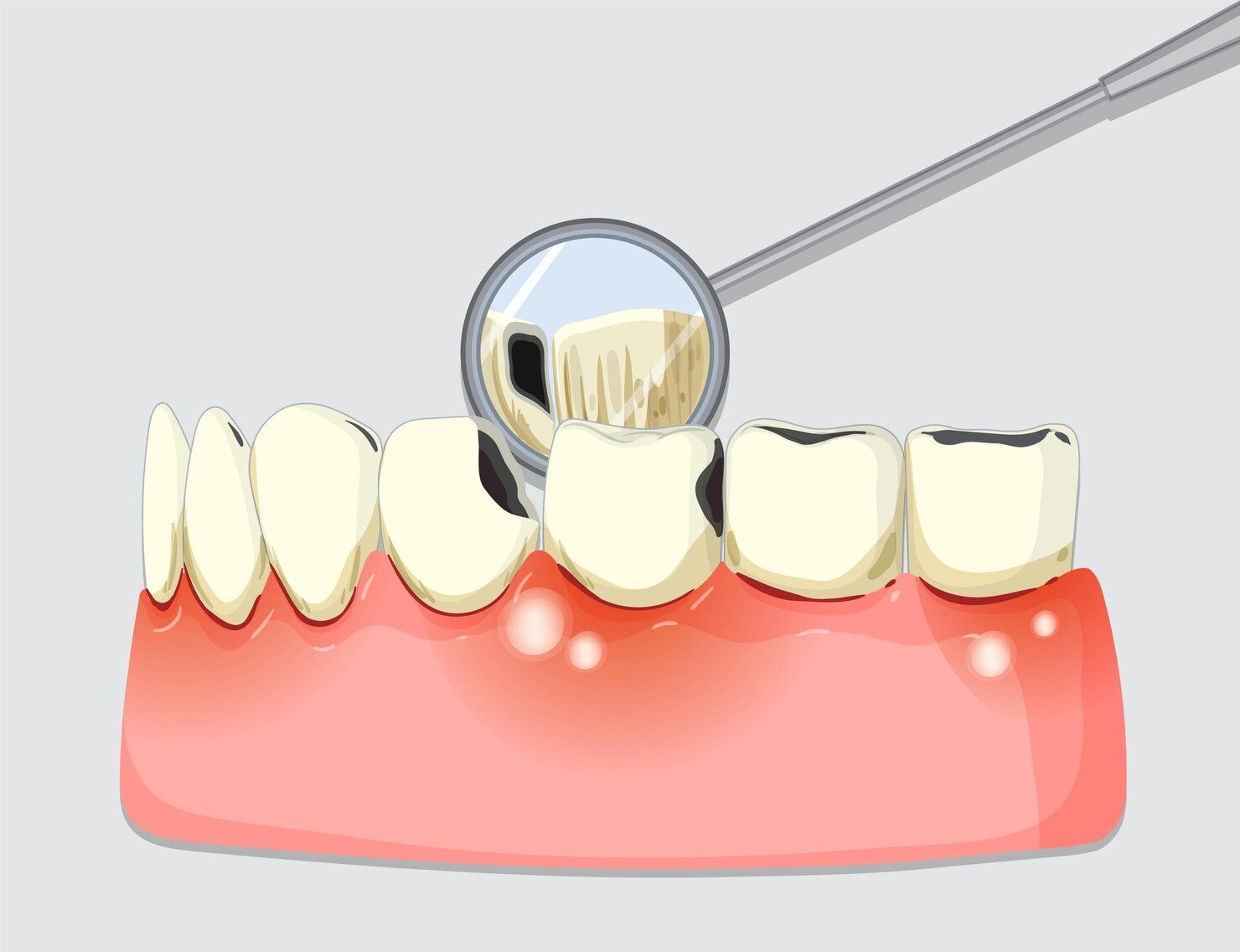
Material application varies: amalgam sets quickly via mixing; composites layer and cure layer-by-layer under light. Shaping and polishing mimic natural contours for bite alignment.
Most procedures finish in one 30-60 minute visit, with same-day emergencies available at patient-focused clinics. Post-care includes soft foods and fluoride rinses.
Caring for Fillings Long-Term
Brush twice daily with fluoride toothpaste and floss to prevent new decay around edges. Limit staining foods and use nightguards for grinders to extend life.
Regular check-ups spot wear early gap-free cleans at iDentistry Hallam aid maintenance. Sensitivity post-filling fades in days; persistent issues warrant return visits.
Lifespan doubles with care: avoid ice-chewing or nail-biting to prevent cracks.
How to Choose the Right Dentist?
Seek experienced providers like Dr. Latha Manivachagam at iDentistry Hallam, with 15+ years serving Hallam and suburbs. Verify multilingual support (Hindi, Tamil, etc.) for clear communication.
Check for modern tools like overhead TVs to ease anxiety and unhurried consultations for informed choices. Weekend/late hours (Tues/Wed till 8 PM) suit busy schedules.
Preferred provider status with all major health funds ensures affordability, plus flexible payments like AfterPay. Read reviews praising calm experiences for all ages.
When to Replace Fillings
Watch for cracks, discoloration, pain on biting, or food traps signaling wear. X-rays detect hidden issues during biannual visits.
Modern replacements upgrade to composites for better aesthetics without compromising strength. Early action prevents root canals.
FAQs on Dental Fillings
How much do fillings cost in Australia?
Basic amalgam starts at $150-300; composites $200-500, varying by size and location. Health fund gap-free options lower costs.
Are amalgam fillings safe?
Yes, per health authorities, with minimal mercury vapor.
Can fillings whiten?
Composites match current shade; replace pre-bleaching for whitening compatibility.
Book at iDentistry Hallam for personalised filling advice conveniently on Princes Hwy.

Author